
Discover expert insights for Singapore homeowners in our 2026 guide. Make informed decisions on renovations, budgets, and design for a stress-free move.


Expert insights are defined as authoritative, experience-backed guidance that helps new homeowners make informed decisions about renovation timelines, budgets, and interior design. For Singapore homeowners collecting keys to a new BTO or resale flat, this kind of professional knowledge is not optional. It is the difference between a smooth, on-budget transformation and a costly, stressful ordeal. This guide draws on industry expert opinions from Swiss Interior, Renodots, and Adevo to give you a clear, practical picture of what to expect and how to prepare.
What are the typical renovation timelines for new homeowners?
Renovation timelines in Singapore vary significantly depending on whether you own a BTO or resale flat. BTO renovations typically take 6–10 weeks for construction work, plus 4–8 weeks for planning, while resale units require 18–24 weeks due to the more extensive hacking, rewiring, and replastering involved. That gap matters enormously when you are planning a move-in date.
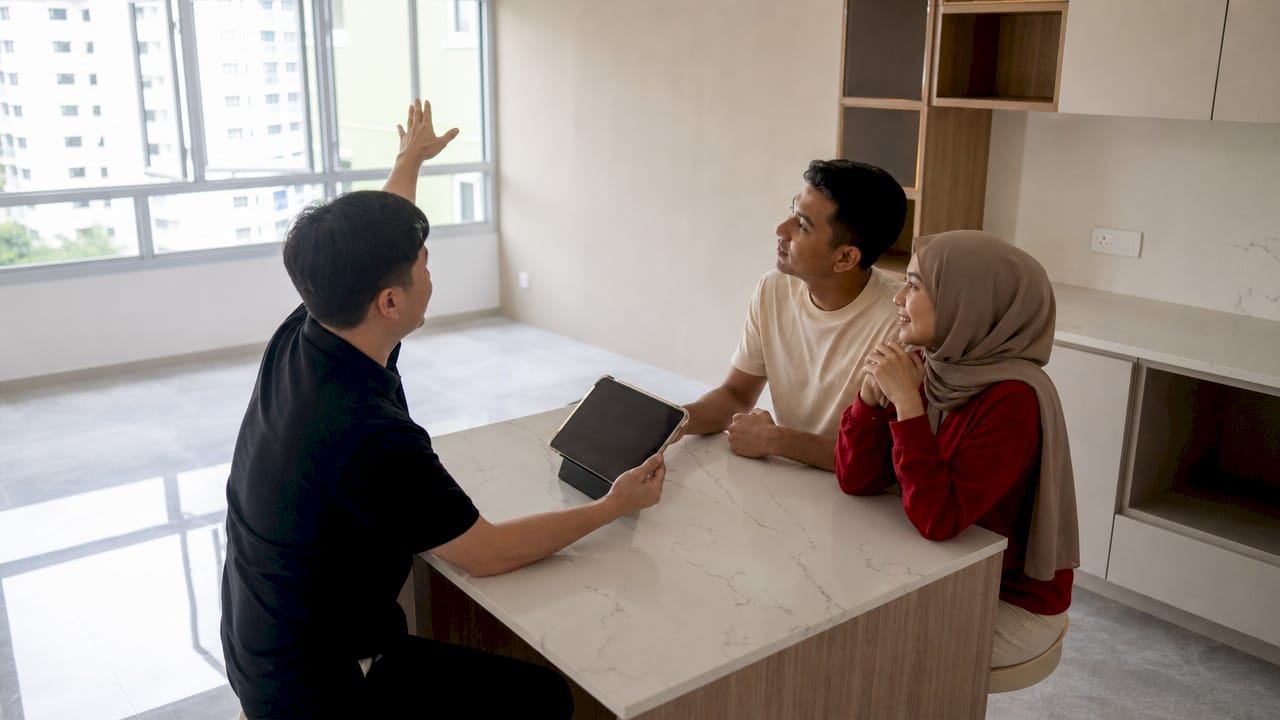
The single biggest mistake new homeowners make is waiting until key collection to start the design process. Starting design 2–3 months early can save 4–8 weeks in your overall move-in timeline. The reason is straightforward: HDB permit applications take time, and submitting them before you even collect your keys means approvals can land while you are still packing boxes.
Here is a practical sequence to follow:
- Appoint an interior designer or contractor at least 2–3 months before key collection.
- Finalise your floor plan and design brief so permit drawings are ready to submit immediately.
- Submit HDB renovation permits on the day of key collection or shortly before, where regulations allow.
- Begin hacking and structural works in week one, once permits are approved.
- Schedule carpentry, tiling, and electrical works in sequence to avoid trades waiting on each other.
- Conduct a defect check before final payment is released.
Common bottlenecks include late carpentry deliveries, permit resubmissions due to drawing errors, and material back-orders. Mitigate these by confirming lead times with your contractor in writing before signing any agreement.
Pro Tip: Ask your contractor for a written project schedule with milestone dates. If they cannot produce one, treat that as a warning sign.
How should new homeowners budget smartly for renovations?
Budgeting is where professional insights from industry leaders prove most valuable, because the numbers are rarely what first-time homeowners expect. The average renovation budget for a 4-room HDB flat ranges from S$51,000 to S$62,000 for a BTO and S$64,000 to S$80,000 for a resale unit. Resale flats cost more because older infrastructure often requires full replacement of plumbing, electrical wiring, and floor finishes.
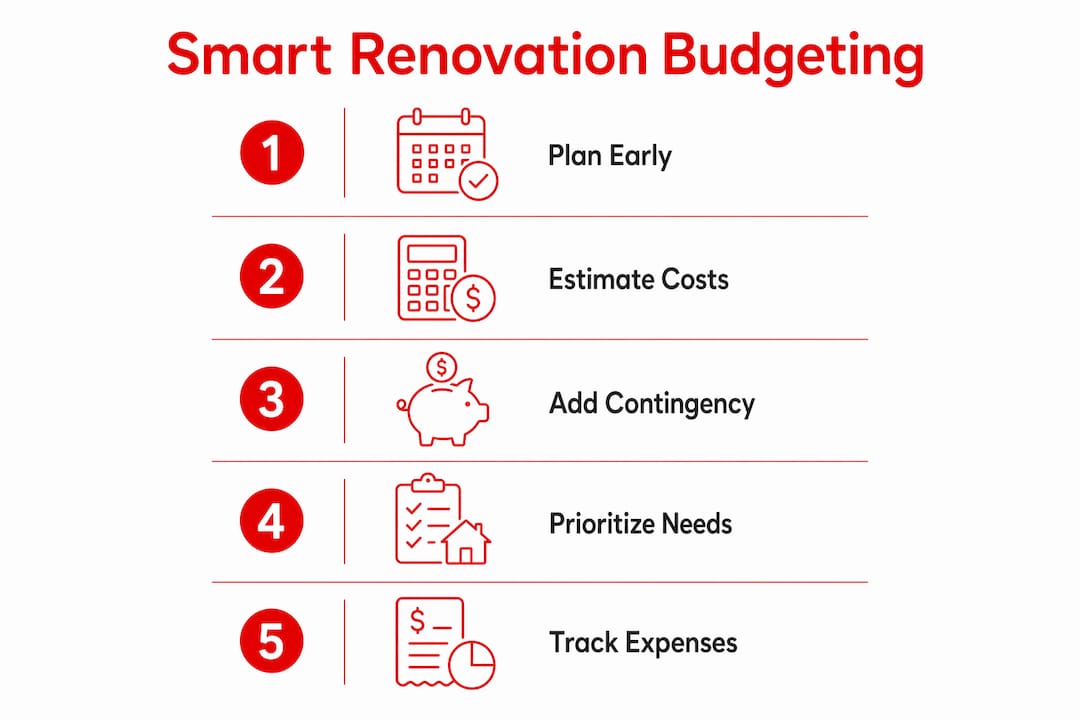
A contingency fund is not a luxury. Experts advise setting aside 10–20% of your total budget for unforeseen works such as concealed pipe leaks, outdated wiring that fails inspection, or structural surprises behind walls. Skipping this buffer is one of the most common reasons renovations stall mid-project.
Key budgeting principles to follow:
- CPF cannot be used for renovation payments. All renovation costs must be settled in cash or through a renovation loan. This surprises many first-time buyers who assume their CPF Ordinary Account balance is available.
- Renovation loans are capped at S$30,000 or six times your monthly salary, whichever is lower. Plan your financing before committing to a contractor.
- Prioritise infrastructure over aesthetics. Quality waterproofing, solid electrical work, and durable flooring outlast any trend. Spending on these first protects your home for decades.
- Track every quote and variation order in writing. Verbal agreements on additional works are a leading cause of budget overruns.
- Get at least three quotes from different contractors before signing. Prices for the same scope can vary by 20–30%.
If your budget is tight, the style your home affordably guide from Tspacemall offers practical ideas for achieving a polished look without overspending on built-ins or premium finishes.
What are the interior design trends in singapore for 2026?
The dominant design direction for 2026 is Warm Minimalism, sometimes called Japandi 2.0. This trend features soft warm beiges, natural wood textures, curved architectural details like arched doorways, and rounded furniture silhouettes. It represents a deliberate shift away from the cooler, harder minimalism that dominated Singapore interiors for much of the past decade.
The appeal is practical as well as aesthetic. Warm tones and natural materials feel more livable in Singapore’s compact flats, where residents spend significant time at home. Curved forms soften the visual weight of small rooms, making them feel less box-like without requiring structural changes.
Here is how the key design choices compare:
| Design Element | Outgoing Style (Cool Minimalism) | 2026 Warm Minimalism |
|---|---|---|
| Colour palette | Cool whites, greys, stark blacks | Warm beiges, terracotta, warm oak |
| Furniture form | Angular, sharp-edged pieces | Rounded edges, curved silhouettes |
| Material feel | Polished concrete, lacquered surfaces | Natural wood, linen, rattan |
| Lighting | Recessed cool-white downlights | Warm pendant lights, wall sconces |
| Built-ins | Extensive floor-to-ceiling cabinetry | Selective built-ins, more loose furniture |
Renodots advises homeowners to avoid trendy built-in cabinetry that is expensive to replace when tastes change. The smarter approach is to invest in a few quality built-in pieces for storage and use movable furniture and lighting to express your personal style. This keeps your home adaptable as trends evolve and your family’s needs shift.
Pro Tip: Swap a single pendant light fitting for a warm-toned alternative. It costs under S$200 and transforms the atmosphere of a room more effectively than repainting walls.
What best practices should homeowners follow during renovation?
The gap between a well-finished home and a problematic one often comes down to the quality of oversight during the build. Swiss Interior’s experts are clear on this point: careful construction and defect checks are what separate homes that age well from those that generate constant maintenance calls.
Follow these practices to protect your investment:
- Do not rush the defect check. Before releasing final payment, test every handle, hinge, drawer runner, and tap. Small failures here signal larger quality issues in less visible areas.
- Insist on a waterproofing flood test in wet areas. Fill the bathroom floor with water and leave it for 24 hours. Any seepage to the unit below means the waterproofing has failed and must be redone before tiling.
- Verify permit filings yourself. Do not assume your contractor has submitted permits. Check the HDB MyDoc portal directly.
- Avoid contractors who promise unusually fast timelines. Rushing trades leads to shortcuts in waterproofing, grouting, and electrical terminations.
- Manage variation orders carefully. Every change to the original scope should be documented with a revised cost and timeline before work proceeds.
“Homeowners who invest in quality hardware and thorough waterproofing tests avoid the most expensive and disruptive post-renovation repairs.” — Swiss Interior
For a complete planning reference, the first home renovation checklist from Tspacemall covers every stage from contractor selection to final handover.
How can space-saving strategies improve your new home?
Singapore’s typical BTO flat is compact by design, which means layout decisions carry more weight here than in larger homes. The right choices turn a tight floor plan into a genuinely functional living space. The wrong ones leave you feeling cramped within months of moving in.
Adevo’s interior design professionals recommend these space-saving approaches for first-time homeowners:
- Install floor-to-ceiling custom storage that blends with the wall colour. Storage that disappears visually keeps rooms feeling open rather than cluttered.
- Replace swing doors with sliding or pocket doors in bedrooms and bathrooms. Sliding doors reclaim usable floor area that a swing door’s arc would otherwise consume.
- Use adaptable partitions such as sliding glass panels to divide living and dining areas. These create separation when needed and openness when not.
- Choose light-toned flooring in larger format tiles or wide-plank timber. Pale, continuous surfaces make rooms read as larger than they are.
- Plan furniture placement before purchase. Measure your rooms and mark out furniture footprints on the floor plan before buying anything.
For more ideas on maximising compact living spaces, creative space-saving strategies from Vibemyflat offer practical solutions that translate well to Singapore’s urban context.
| Space Challenge | Expert Solution | Benefit |
|---|---|---|
| Limited storage | Floor-to-ceiling custom cabinetry | Maximises vertical space |
| Tight doorways | Sliding or pocket doors | Recovers swing arc floor area |
| Open plan noise | Sliding glass partitions | Flexible division without walls |
| Small room feel | Light-toned large-format flooring | Visually expands the space |
Key takeaways
Effective home renovation in Singapore requires early planning, realistic budgeting with a contingency fund, and quality-first decisions that outlast any passing trend.
| Point | Details |
|---|---|
| Start planning early | Begin design 2–3 months before key collection to save 4–8 weeks on your move-in date. |
| Budget with a buffer | Set aside 10–20% contingency on top of your core renovation budget for unforeseen works. |
| CPF cannot fund renovation | All renovation costs must be paid in cash or via a loan capped at S$30,000. |
| Prioritise quality over trends | Invest in waterproofing, hardware, and flooring before spending on aesthetic features. |
| Use flexible furniture | Choose movable pieces over costly built-ins to keep your home adaptable as needs change. |
Why patience is the most underrated renovation tool
I have spent years watching homeowners approach their first renovation with enormous enthusiasm and, quite often, a timeline that bears no relation to reality. The ones who come out of it with a home they genuinely love share one quality: they were patient enough to plan properly before a single wall was touched.
The advice from industry experts on timelines and budgets is not conservative for its own sake. It reflects what actually happens on site. Permits take time. Trades have queues. Materials arrive late. A homeowner who has built these realities into their plan does not panic when they occur. One who has not finds themselves making rushed decisions that cost more money and produce worse results.
What I find most interesting about the 2026 design shift toward Warm Minimalism is that it mirrors a broader maturity in how Singaporeans think about their homes. The move away from clinical, show-home aesthetics toward genuinely livable spaces reflects a generation of homeowners who have learned, often the hard way, that a beautiful home and a comfortable home are not always the same thing.
My honest recommendation is to spend as much time vetting your contractor as you do choosing your tiles. Read contracts carefully. Ask for references and actually call them. The right interior designer will save you far more than their fee in avoided mistakes and better decisions. The wrong one will cost you months and thousands of dollars you had not budgeted for.
Functionality should always come before aesthetics. A beautifully styled home that leaks, creaks, or runs out of storage within a year is not a success. Build the bones right, then layer in the personality.
— Jonathan
Find trusted renovation experts at Tspacemall
Tspacemall is the East of Singapore’s dedicated renovation and home living hub, bringing together verified interior designers, renovation contractors, flooring specialists, and furniture retailers under one roof. For new homeowners who want professional guidance without the stress of searching across dozens of platforms, it is the most direct route to qualified help.

Whether you need a full design and build service or a specialist contractor for a specific trade, Tspacemall’s directory connects you with firms that understand Singapore’s HDB regulations, permit requirements, and the realities of compact urban living. Absolook Interior Design and Home & Living Interior Design are two high-priority firms listed on the platform, both experienced in guiding first-time homeowners from concept to completion. Visit Tspacemall to browse the full directory and book a consultation with a specialist who suits your brief and budget.
FAQ
How long does a BTO renovation take in singapore?
A BTO renovation typically takes 10–18 weeks in total, covering 4–8 weeks of planning and 6–10 weeks of construction. Starting the design process before key collection reduces this significantly.
Can i use CPF to pay for my home renovation?
CPF funds cannot be used for renovation payments. All costs must be settled in cash or through a renovation loan, which is typically capped at S$30,000 or six times your monthly salary.
What is the most popular interior design style in singapore for 2026?
Warm Minimalism, also called Japandi 2.0, is the dominant trend for 2026. It features warm beige tones, natural wood textures, and curved furniture forms in place of the cooler, harder minimalism of previous years.
How much should i budget for a 4-room HDB renovation?
Budget S$51,000–S$62,000 for a BTO flat and S$64,000–S$80,000 for a resale unit, plus a 10–20% contingency fund for unforeseen works such as plumbing or electrical issues.
What is the most important quality check before renovation handover?
Test all hinges, handles, and drawer runners, and conduct a 24-hour waterproofing flood test in wet areas before releasing final payment to your contractor.
Recommended


